Choosing Public Service
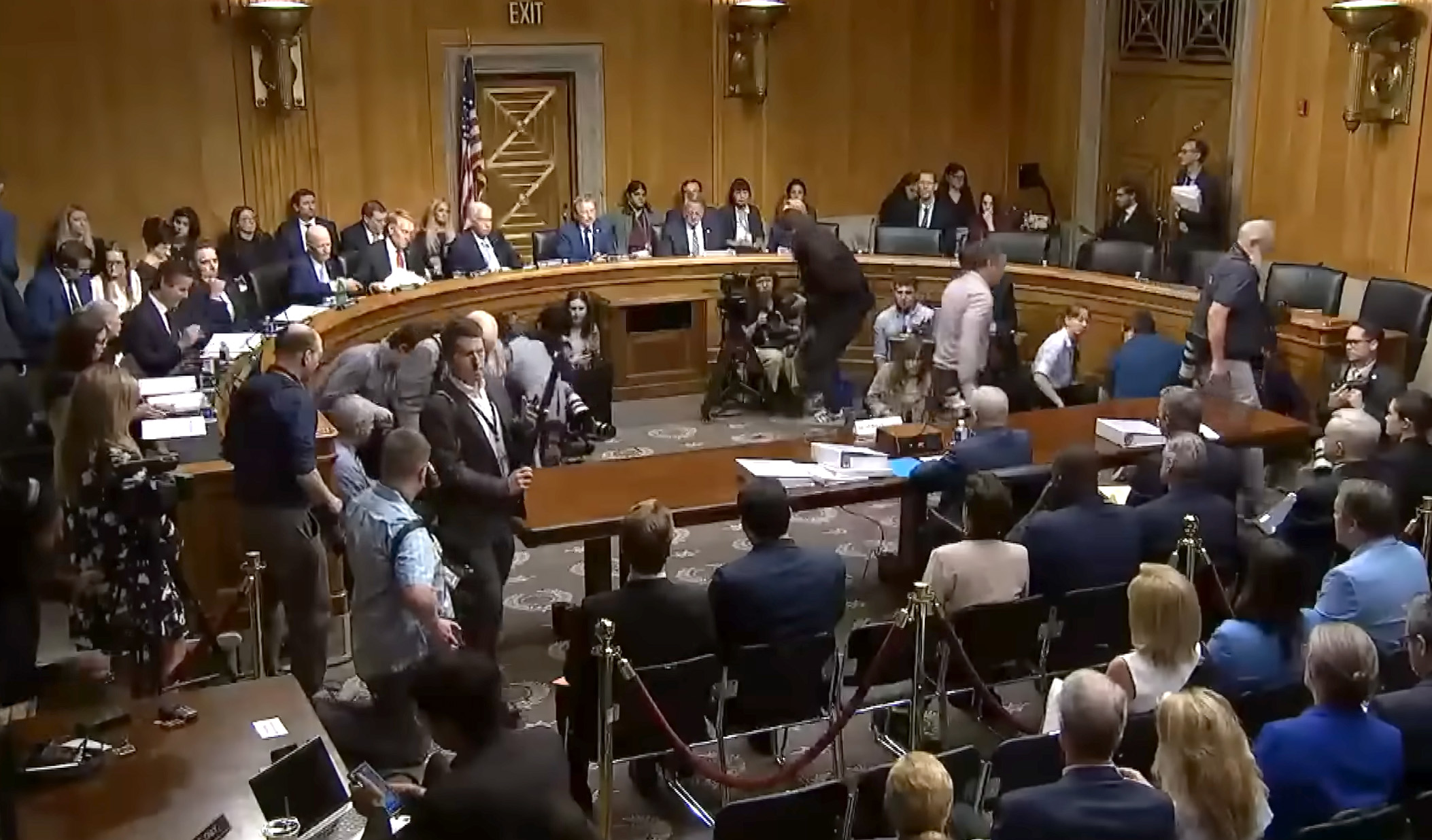
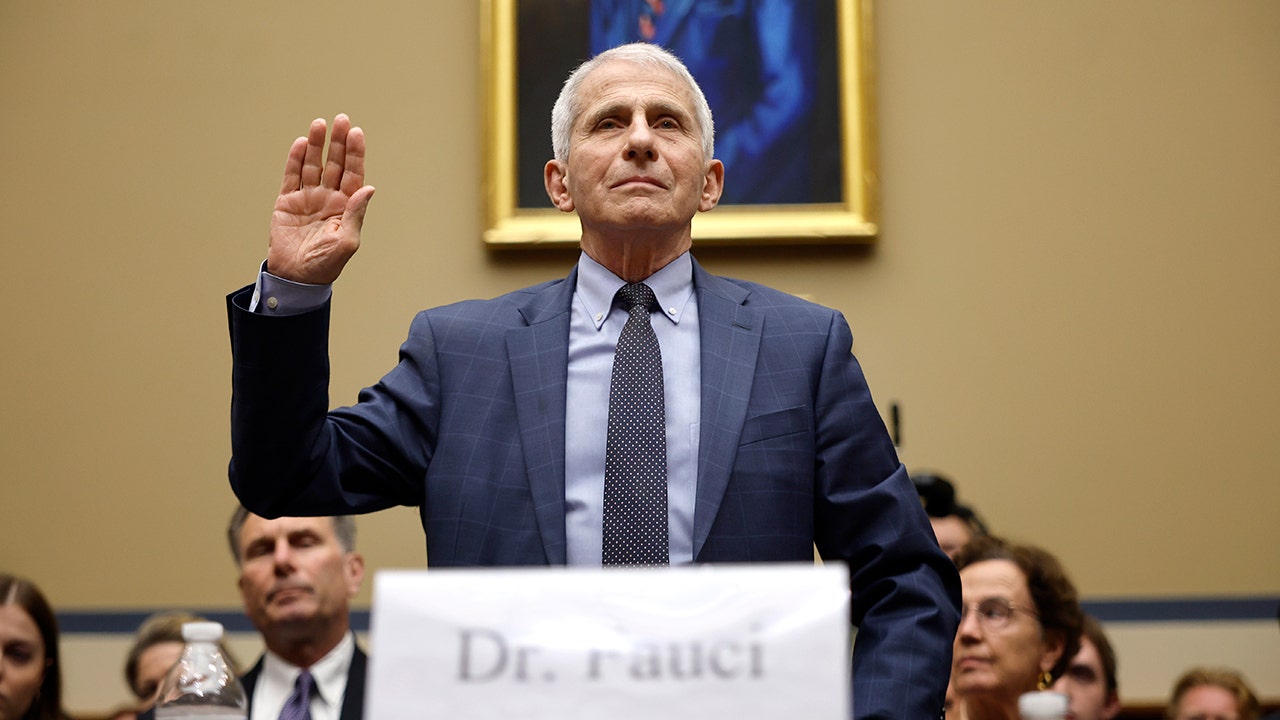
(Video screenshot of Dr. Fauci appearing before the Senate Homeland Security Committee)
In my senior year at Trinity, in Spring 1974, I attended a gathering of students, scholars and public officials organized by a group known as the Center for the Study of the Presidency. The American presidency was in grave distress at that time due to the Watergate investigation into possible obstruction of justice by President Richard Nixon over the “third rate burglary” of the Democratic National Committee headquarters at the Watergate office building. Nixon was on the verge of impeachment, and numerous officials in his administration were under investigation or about to be indicted for their roles in the Watergate cover-up; some went to jail as a result. The guest speaker at the CSP event was Vice President Gerald Ford, someone who became the second highest public official in the country because his predecessor, Spiro Agnew, had to step down due to a corruption scandal.
Vice President Ford gave a perfectly benign speech about how great the government was and how much the Nixon administration did for our country, and how all of us college students should consider careers in government. He said nothing about the scandals. So, with the brashness of a 21-year-old Trinity senior, when the time came for questions, I raised my hand and he called on me! I stood up and asked the vice president of the United States: with all the scandals in the Nixon administration and the trauma so many members of his administration caused for everyday citizens, how could Mr. Ford encourage any college students to consider pursuing careers in government?
I could hear people gasp, but after looking hard at me for a minute, the vice president replied that it was exactly that kind of boldness that our country needed at that point in time, and he hoped I would take up the challenge. I sat down feeling a bit patronized but glad his answer was friendly. Afterward, the CSP president R. Gordon Hoxie scolded me for my impertinent question — leading me to think I had done the right thing since the question was legitimate and Vice President Ford surely could have given a more satisfying answer.
President Nixon resigned that summer, on August 9, 1974, avoiding an impeachment trial. At that time, many of us college students thought that Nixon and his cronies were the absolute worst examples of corrupt public officials, and many of us wanted nothing to do with service in such a scandal-plagued government.
I thought of that moment last week as I watched the very hostile, disgraceful grilling that Dr. Anthony Fauci received at the hands of Senator Rand Paul and the Senate Homeland Security and Government Affairs Committee. Dr. Fauci had a long and very distinguished career as the head of the National Institute of Allergies and Infectious Diseases, and he was the chief medical advisor to both Presidents Trump and Biden during the Covid-19 pandemic. I’m not going to rehash all of the issues with Covid-19, including the vast reservoir of conspiracy theories that continues to fuel right-wing political retribution in some quarters. Suffice to say that, all these years after Covid-19, Senator Paul and others continue to promote the conspiracies and go out of their way to scapegoat former public officials like Dr. Fauci.
At the hearing, Dr. Fauci refused to answer questions, pleading his 5th Amendment rights. He did so in the belief that the questions were hostile efforts to get him to say something that could be used against him. Subsequent to the hearing, Senator Paul and the Republicans on the committee took the unusual step of voting to hold Dr. Fauci in contempt of Congress. The result of this effort to shame and malign Dr. Fauci remains unknown at this writing, likely to be tied-up in legal challenges for months to come.
As I watched Senator Paul pursue his malignant crusade against Dr. Fauci, I could feel that 21-year-old college senior rising in me again, wanting to leap up and shout out: “How can you expect anyone to want to go into public service when you treat them so shamefully?” Being older, perhaps wiser, and not having an audience to goad me into shouting a rash question — alone in my office watching the hearing clips on YouTube — I was able to ponder the scene more rationally, and to think past my anger to the real answer.
In fact, as Vice President Ford tried to persuade me so long ago, and as I know for sure today, the miserable examples we see of public corruption and the abuse of power to enact political revenge should light fires in the rising generations to engage, not retreat, from the idea and necessity of public service. Indeed, the future of our American democracy and system of government depends on the ability of a new generation of leaders to step up to the challenge, to be willing to take the risk of public criticism in order to achieve necessary and durable change in our government.
The current moment demands a renewal of the idea of public service for the common good — a replenishment of the once-noble idea of the “habits of the heart” whether in government service or non-profit work or volunteer positions. We are in a moment of true ethical and moral crisis as a nation, but the moment is also an opportunity to pursue real change —- but to enact the change we must achieve, we need new leadership, new ideas, fresh energy and commitment to ideals that have never gone out of fashion, like the ideal of servant leadership, working to help others, living with a daily commitment to honor, integrity and achieving justice for all.
In this year of the America250 observance, we educators have a special responsibility to focus even more acutely on our responsibility to prepare the rising generations for leadership and service across the next 50-75 years of American life. In higher education, we need to stop moping in the corners over the ways in which the current government has been so awful to us — it has been, deal with it — and instead we need to refocus our energy on what we do best, teaching our students how to be change agents for good, advocates and activists for solutions that can make all lives better in this country.
God bless Dr. Fauci. Let his courage and professionalism be a model for the rising servant leaders of the future.
